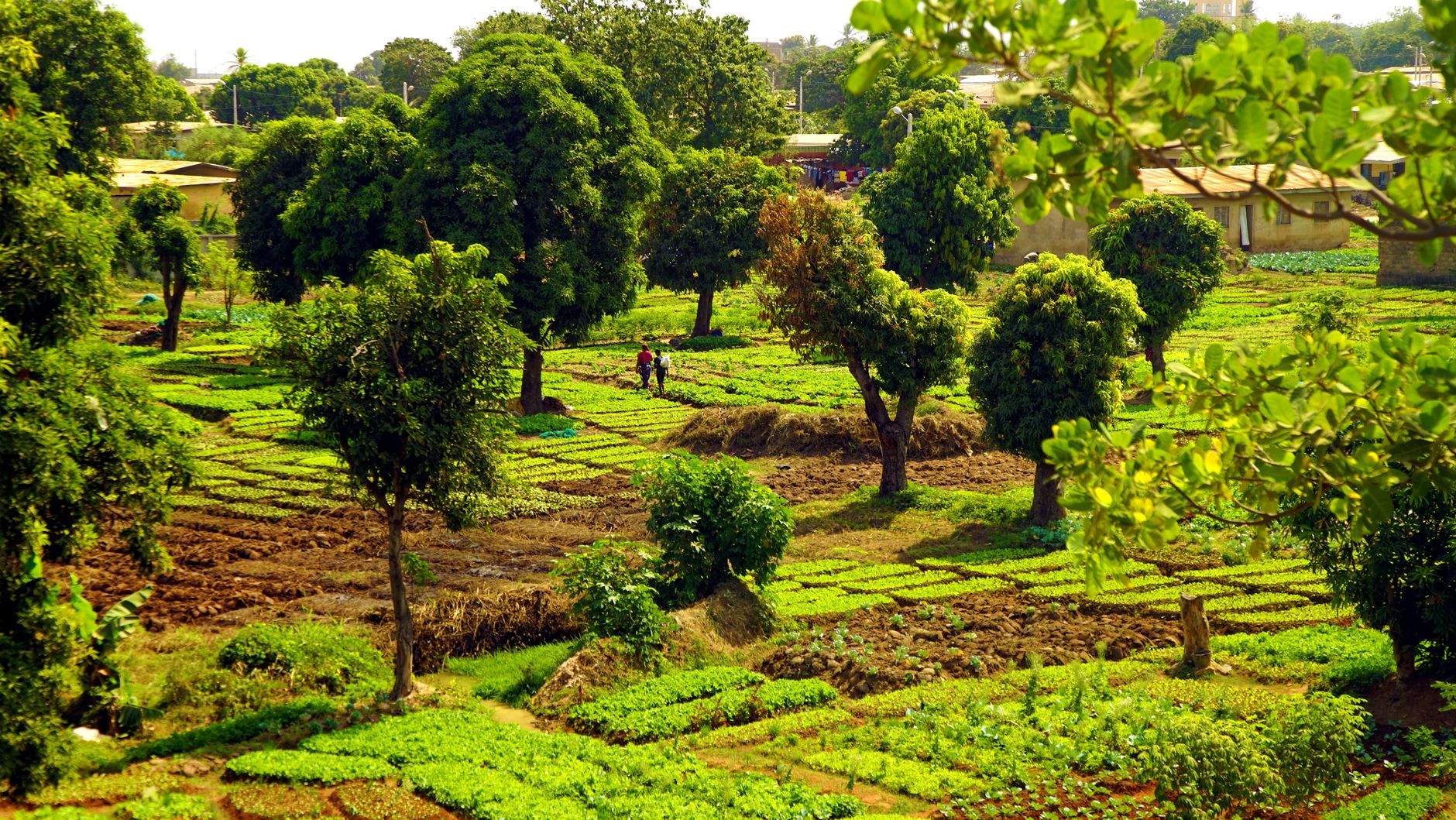
Farmers, factory owners, and hotel suppliers across the UAE are at the centre of a sweeping national effort to move domestically made goods onto international shelves, and to keep more of the economic value from that production inside the country.
The strategy runs the full length of the production chain, from agricultural output and food manufacturing through advanced industrial production, and from product branding all the way to export logistics. A central feature directs government purchasing power toward priority national goods, using state demand as a lever to strengthen the manufacturers who depend on it.
In April, the Cabinet took formal steps to protect products rooted in specific UAE regions. The National Project for the Protection of Geographically Defined Products identifies agricultural, industrial and traditional goods whose quality, character or reputation ties to particular areas. Alongside this, policymakers adopted measures to increase national product visibility in retail stores and online platforms while helping manufacturers reach major supply chains more easily.
Agricultural production sits at the foundation of this push. The National Agriculture Centre and Abu Dhabi Agriculture and Food Safety Authority jointly launched the National Project for UAE Good Agricultural Practices to elevate local farming standards and unlock access to new markets. The initiative targets certification of 80 per cent of domestic farms under UAE GAP standards.
Two additional programmes address food security and domestic sourcing. The National Agricultural Initiative for the Adoption of Climate-Smart Crops seeks to diversify the national food basket and reduce import dependence. The Sustainable Product initiative, meanwhile, aims to increase locally produced agricultural and livestock goods used by the UAE’s restaurant and hotel sector to 25 per cent of supply, a target that directly affects what ends up on guests’ plates.
Industrial capacity expansion draws on substantial investment. An approved Dh1 billion National Industrial Resilience Fund supports localisation of critical industries, strengthens supply-chain resilience and accelerates artificial intelligence adoption across production, operations and planning. The government also expanded the National In-Country Value Programme, making it mandatory in selected sectors to channel institutional purchasing toward national products and deepen their integration into supply networks.
Several platforms connect producers with opportunity. The Make it in the Emirates platform links investors, manufacturers and industry leaders with domestic production and investment possibilities. ADNOC’s Local+ initiative prioritises UAE-manufactured products across its operations. The Ministry of Industry and Advanced Technology’s Factory Forward UAE initiative consolidates industrial technology transformation programmes under one framework. Programmes within this ecosystem have supported more than 700 factories, with over 620 assessed through the Industrial Technology Transformation Index.
A major infrastructure project reflects the shift toward local value retention. The Al Taweelah recycling plant in Abu Dhabi, the UAE’s largest aluminium recycling facility, processes scrap locally into high-quality, lower-carbon products at an annual capacity of 185,000 tonnes. Raw scrap that once left the country now stays, is transformed, and re-enters the supply chain as finished material.
The broader approach extends beyond domestic action. The UAE is strengthening international investments and partnerships to link national production capabilities with regional and global resources, markets and value chains. Whether the Dh1 billion industrial fund and the farm certification targets prove sufficient to shift the country’s position in those chains is the question producers and policymakers will be watching as the programmes move from approval into implementation.