Wealthy Pakistanis Pull Millions from Gulf, Betting on Karachi Real Estate
Geopolitical tensions prompt wealthy Pakistanis to relocate assets from Gulf to home market.
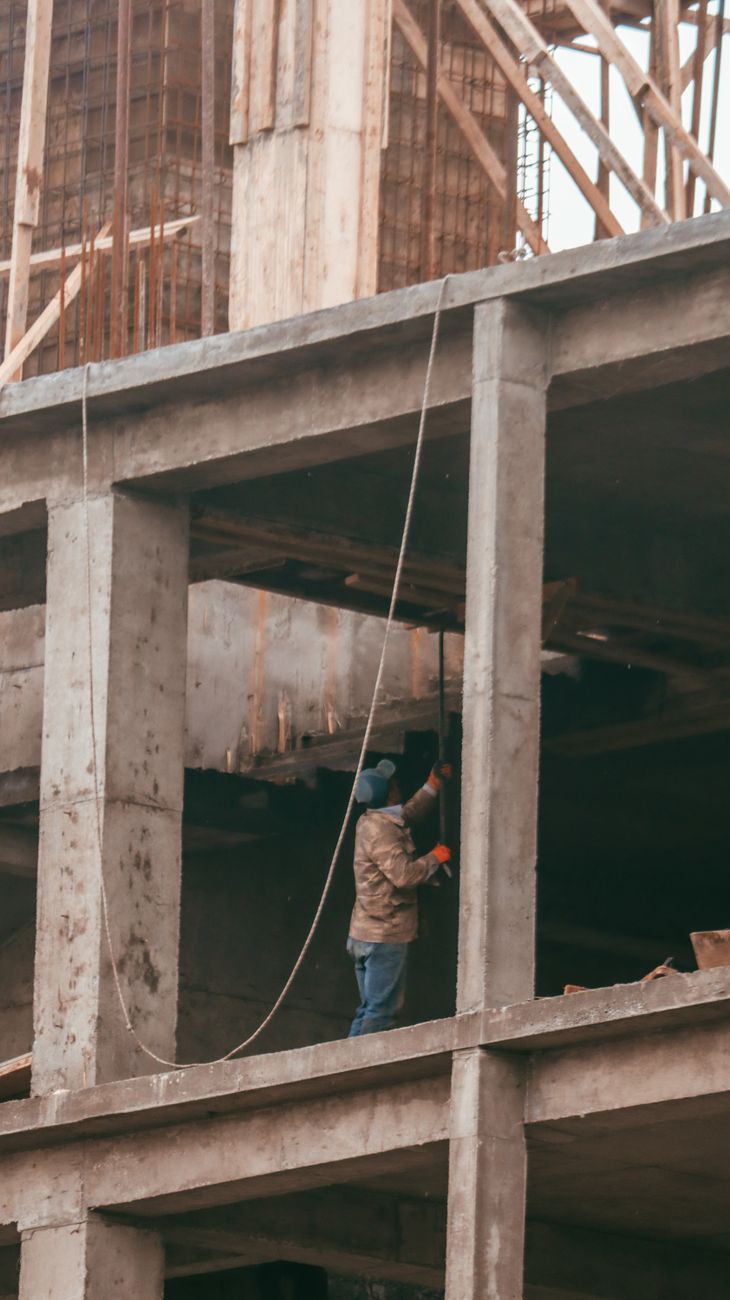
Karachi’s Defense Housing Authority district is at the center of a quiet but measurable shift in where some wealthy Pakistanis are choosing to park their money. Since late February, when the United States and Israel attacked Iran, official data tracking money flowing into Pakistan have surged. The precise source of those inflows remains unclear, but investors and property developers say some affluent Pakistanis have begun selling Dubai real estate and channeling the proceeds into luxury residential projects in Karachi, particularly in DHA.
Mohammed Hassan Bakshi, chairman of the Association of Builders and Developers of Pakistan, put it plainly. “Money is not going to Dubai anymore,” he told Arab News. “People are worried due to war and instability in the region. The money which was available in liquid form is being sent back to Pakistan.” Bakshi said some Pakistani investors were selling or preparing to liquidate Dubai assets and moving part of their capital into high-end and high-rise developments in Karachi, with DHA drawing the most interest.
Additional reference context is available at https://www.arabnews.pk/pakistan/some-wealthy-pakistanis-shift-dubai-property-investments-home-amid-gulf-crisis-3001585.
A Dubai-based Pakistani investor who advises wealthy clients confirmed the trend, though she framed it as selective portfolio rebalancing rather than a wholesale exodus. Speaking on condition of anonymity because of client confidentiality concerns, she told Arab News she had watched clients reduce their property exposure in the emirate and redirect funds to Karachi. “In Dubai, people have been selling. That is to move funds to what they now consider a bit safer haven, which happens to be DHA in Karachi.” The scale, she said, was modest. “It’s not like something crazy, but people who owned 10 villas back then would potentially be sitting at six right now or seven right now and would have sold the remaining three or four just to do some portfolio shuffle.”
The backdrop is a measurable contraction in Dubai’s property market. Real estate transaction volumes in the United Arab Emirates dropped 37 percent year-on-year during the first 12 days of March and fell 49 percent from February, according to Goldman Sachs estimates. Some Dubai properties were subsequently offered at discounts of 12 to 15 percent. By May, Dubai property sales had declined another 19 percent from April, which had itself fallen 4 percent, according to real estate consultancy ValuStrat.
The conflict, which began on February 28 when US and Israeli forces attacked Iran and Tehran subsequently struck Israel and Gulf states hosting American military personnel, disrupted trade and energy flows while puncturing the perception that Dubai was insulated from regional turmoil. Analysts attributed the slowdown to investor unease about the emirate’s tax-free status and political stability, qualities that had previously attracted capital during earlier regional crises.
Meanwhile, official Pakistani remittance data show foreign inflows have climbed substantially during the conflict period, though the figures do not distinguish between routine family transfers and investment repatriation. Workers’ remittances from the UAE rose approximately 13 percent year-on-year to 5.55 billion dollars between February and August, according to State Bank of Pakistan data. In May alone, UAE inflows climbed 36 percent to 1.01 billion dollars. Pakistan received 3.66 billion dollars in total remittances in August, 16.5 percent more than a year earlier. Inflows during July and August, the first two months of the current fiscal year, rose 14.7 percent to 7.3 billion dollars.
Roshan Digital Accounts, which allow overseas Pakistanis to hold funds and make payments and investments inside the country, recorded a 52.2 percent year-on-year increase to 1.74 billion dollars between March and August, based on central bank data. April recorded the sharpest single-month rise, with RDA inflows increasing 81.4 percent to 321 million dollars. The number of accounts grew by 56,737 between February and August to reach 966,144.
Bakshi suggested that some proceeds from overseas asset sales could be entering Pakistan through remittance channels or RDAs, but cautioned that official data do not identify the original source or ultimate use of the money. Zafar Sultan Paracha, secretary-general of the Exchange Companies Association of Pakistan, echoed that caution. “We cannot say how much is the amount that the overseas Pakistanis regularly send for their homes and how much is the investment value,” he told Arab News. “Overall, we can say that these circumstances have supported our remittances. And the people who used to consider their money to be safe outside of Pakistan, now consider it to be safer in Pakistan.”
On the ground in Karachi, Bakshi said increased demand had pushed prices sharply higher in some of the city’s most expensive neighborhoods. “A plot that sold for Rs400 million, approximately 1.44 million dollars, before February is now fetching Rs600 million, approximately 2.16 million dollars, in DHA,” he said. No independent transaction data were available to verify the scale of the increase or determine how much of it was driven by returning overseas money.
Muhammad Waqas Ghani, head of research at JS Global Capital, offered a broader read on the numbers. “There may have been some precautionary transfers because of the situation in the Gulf region, but largely, our remittance numbers are solid,” he said. Whether the shift in investor sentiment proves durable, or reverses if Gulf tensions ease, is a question the data cannot yet answer.
Q&A
What prompted wealthy Pakistanis to shift investments from Dubai to Karachi?
The February 28 US-Israel attack on Iran and subsequent regional conflict disrupted trade and energy flows, puncturing the perception that Dubai was insulated from regional turmoil and raising investor concerns about the emirate's political stability and tax-free status.
How much have DHA property prices increased since the conflict began?
According to Mohammed Hassan Bakshi, some DHA plots have risen from approximately 1.44 million dollars (Rs400 million) before February to approximately 2.16 million dollars (Rs600 million), though independent transaction data to verify the scale are unavailable.
What do the remittance figures reveal about capital flows during this period?
UAE remittances rose approximately 13 percent year-on-year to 5.55 billion dollars between February and August, while Roshan Digital Accounts recorded a 52.2 percent year-on-year increase to 1.74 billion dollars in the same period, though official data do not distinguish between routine family transfers and investment repatriation.
How did Dubai's property market respond to the regional conflict?
Real estate transaction volumes in the UAE dropped 37 percent year-on-year during the first 12 days of March and fell 49 percent from February, with some properties subsequently offered at discounts of 12 to 15 percent and further declines continuing through May.