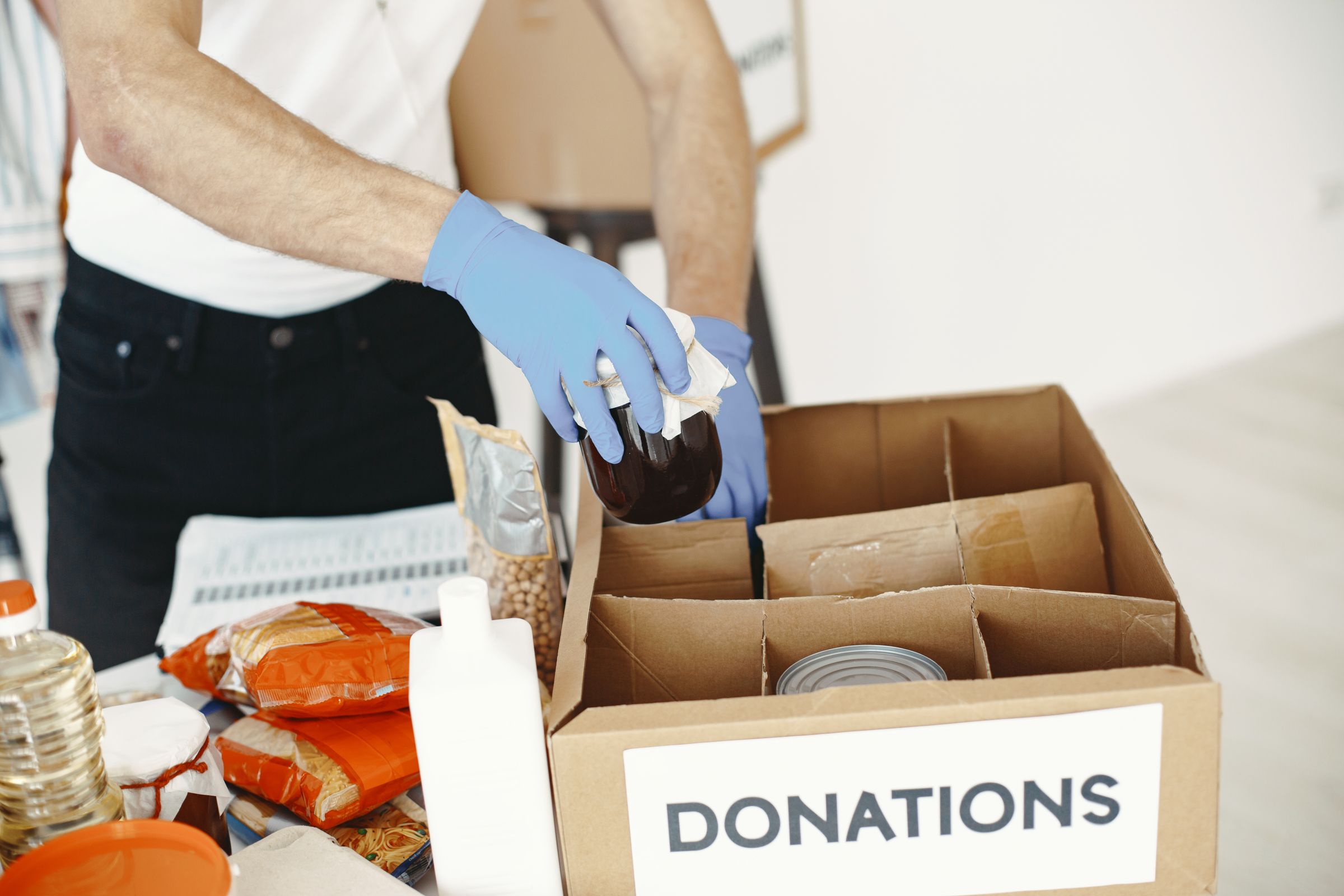
Dubai launches surplus wedding food redistribution scheme
MoU sets out collection, transport and redistribution of surplus wedding food
Dubai now has a working framework for moving surplus food from weddings and events to people who can use it. The UAE Food Bank and the Community Development Authority (CDA) have signed a Memorandum of Understanding that sets out how the collection, transport and redistribution of safe, consumable food will operate in practice.
The agreement, announced through the Government of Dubai Media Office, ties the logistics directly to the ‘Dubai Weddings’ initiative. Under the MoU, the two entities will coordinate the collection, receipt, transportation and redistribution of surplus food from weddings and events identified by the Community Development Authority. Donations will be managed and distributed to eligible beneficiaries in accordance with approved regulations and food safety requirements, a detail that matters for anyone assessing whether such schemes function reliably rather than remaining aspirational.
Additional reference context is available at https://mediaoffice.ae/en/news/2026/october/26-10/uae-food-bank-and-community-development-authority.
The practical mechanics sit at the centre of the partnership. Food that is safe for consumption is to be recovered and channelled to beneficiaries through organised processes, extending the community impact of the initiative while promoting food sustainability and social responsibility. The cooperation also provides for joint awareness campaigns, community programmes and initiatives that encourage food preservation, promote sustainable consumption and raise awareness of responsible food management. Volunteer participation in relevant activities is envisaged as well, with the agreement framing community engagement as part of the delivery model.
Manal Obaid bin Yaroof, Head of the Executive Team of the UAE Food Bank, described the operational logic of the partnership. “Our cooperation with the Community Development Authority strengthens our ability to recover surplus food and ensure that it reaches those who need it through safe and organised collection and redistribution processes,” she said. Extending these efforts to the ‘Dubai Weddings’ initiative, she added, creates additional opportunities to preserve valuable food resources, reduce waste and translate sustainable practices into meaningful community benefits.
Bin Yaroof also placed the agreement within the Food Bank’s broader mission. “This agreement also supports our wider humanitarian and charitable mission by promoting awareness of food preservation, encouraging volunteer participation, and strengthening cooperation with other government entities,” she said. “Through these efforts, we aim to expand the reach of our initiatives, enhance the efficiency of surplus food management, and reinforce the values of giving and social responsibility across Dubai’s community.”
From the authority’s side, Dr. Ahmed Al Hashemi, CEO of the Social Regulation and Services Sector at the Community Development Authority in Dubai, framed the initiative as a service to families now extended outward. “The ‘Dubai Weddings’ initiative plays an important role in supporting family formation and stability, and through this cooperation with UAE Food Bank, we are extending its positive impact to the wider community,” he said. “By ensuring that surplus food from weddings and events is safely recovered and redistributed to those in need, we are creating additional opportunities for giving while encouraging responsible consumption and the efficient use of resources.”
Al Hashemi added that the partnership reflects the values of solidarity and generosity that characterise Dubai’s community and demonstrates the importance of collaboration between government entities and humanitarian organisations. He noted that it supports the objectives of the Dubai Social Agenda 33 by encouraging community participation, strengthening social cohesion and contributing to the wellbeing and quality of life of individuals and families.
That policy alignment runs through the agreement itself. The cooperation supports the objectives of the Dubai Social Agenda 33 by strengthening community participation, encouraging responsible consumption and advancing initiatives that contribute to food security and social solidarity. For implementers, the MoU formalises a pipeline: events are identified by the CDA, food is collected and transported under the Food Bank’s processes, and distribution follows approved regulations and food safety requirements.
The agreement forms part of the Community Development Authority’s continued efforts to enhance the ‘Dubai Weddings’ initiative and expand its contribution to community wellbeing. It also supports the UAE Food Bank’s commitment to developing an integrated and sustainable approach to surplus food management, ensuring that food suitable for consumption is recovered and redistributed to beneficiaries while encouraging responsible practices that reduce waste and conserve resources. Whether the framework delivers at scale will depend on execution, but the MoU establishes the structure through which that delivery is meant to happen.
Q&A
Which entities signed the MoU and what does it cover?
The UAE Food Bank and the Community Development Authority (CDA) signed a Memorandum of Understanding covering the collection, receipt, transportation and redistribution of safe, consumable surplus food from weddings and events identified by the CDA.
How does the scheme connect to the Dubai Weddings initiative?
The agreement ties the food redistribution logistics directly to the Dubai Weddings initiative, which supports family formation and stability, and extends its positive impact to the wider community through safe recovery and redistribution of surplus food.
What safeguards govern the distribution of donated food?
Donations are managed and distributed to eligible beneficiaries in accordance with approved regulations and food safety requirements, with food channelled to beneficiaries through organised processes.
What broader goals does the partnership support?
It supports the objectives of the Dubai Social Agenda 33 by encouraging community participation, responsible consumption, social cohesion and food security, and includes joint awareness campaigns, community programmes and volunteer participation.