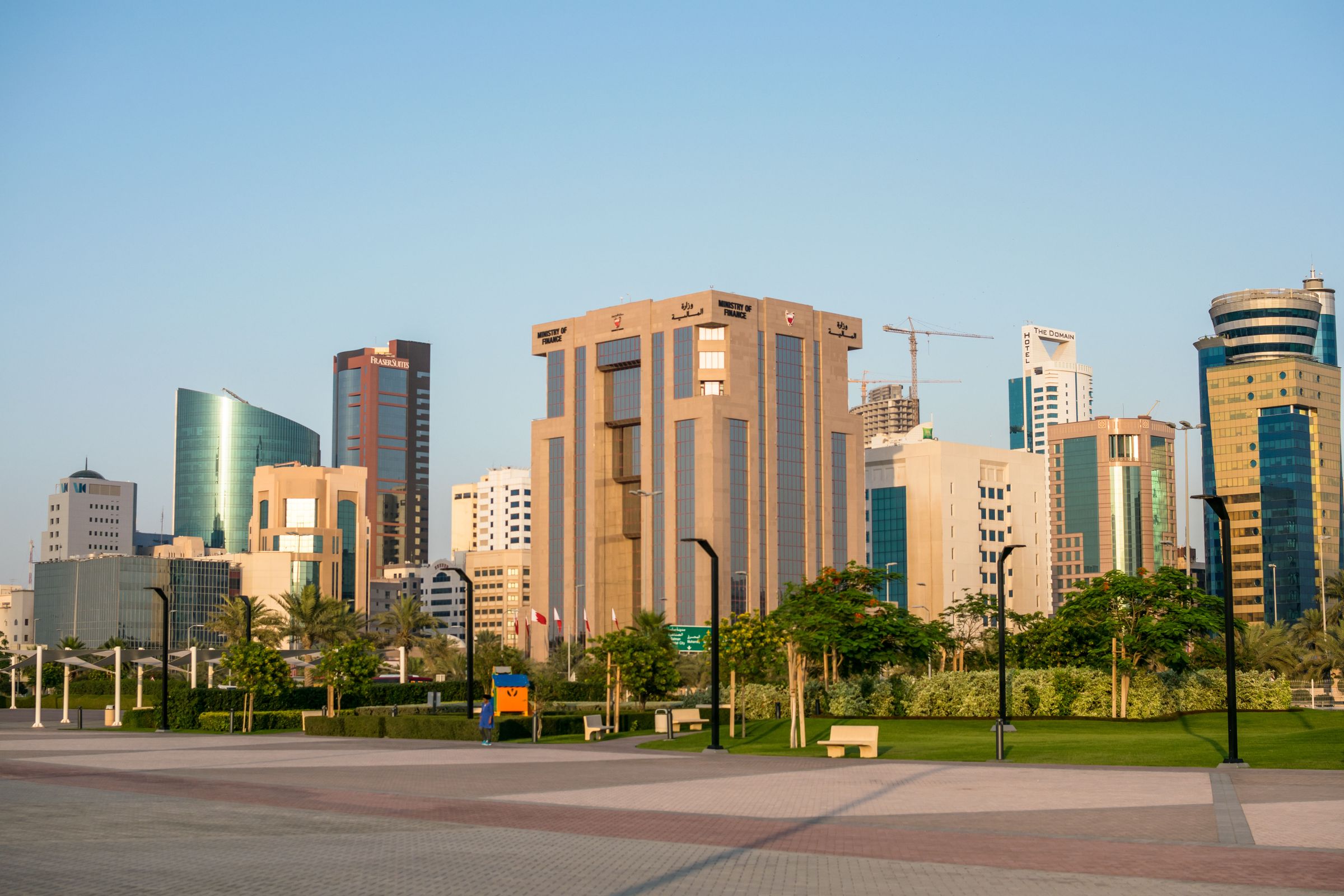
Bahrain backs Riyadh's Yemen stance, citing trade and energy risk
Manama frames its backing of Riyadh through the lens of commerce, shipping lanes and energy security
Bahrain has thrown its weight behind Saudi Arabia’s position on Yemen, framing its support in explicitly economic and security terms at a moment when attacks on civilian and economic facilities, maritime routes and energy supplies are putting regional commerce and stability at risk. In a statement issued Tuesday on X, Bahrain’s Foreign Ministry affirmed full support for the Saudi-led Coalition to Support Legitimacy in Yemen and its efforts to back Yemen’s Presidential Leadership Council and government, restore the state and its institutions, confront terrorism and reach a comprehensive political solution meeting the Yemeni people’s aspirations for security and stability.
The ministry placed particular weight on the economic dimension of the conflict. It strongly condemned what it described as continued Houthi attacks on Saudi Arabia, including strikes on civilians and on civilian and economic facilities, as well as attacks targeting the holy cities of Makkah Al-Mukarramah and Madinah Al-Munawwarah. The call to protect economic infrastructure and trade arteries underscored how closely Gulf security is tied to the region’s commercial lifelines.
Bahrain affirmed full solidarity with Saudi Arabia and backed all measures taken by the Kingdom to protect its security and sovereignty and the safety of its citizens and residents, in accordance with its right to self-defense under Article 51 of the UN Charter. It stressed that Saudi Arabia’s security is an integral part of Bahrain’s security and that of the Gulf Cooperation Council states under the Joint Defense Agreement, a framing that treats the Kingdom’s stability as inseparable from the wider Gulf economy.
Turning to the international level, the ministry called on the UN Security Council, particularly its permanent members, to assume their responsibilities in ending the attacks and threats to maritime security and energy supplies, and to ensure full implementation of relevant resolutions, foremost among them Resolutions 2216 and 2817, in a manner that safeguards regional and international peace and security. The reference to energy supplies and maritime security highlights the stakes for global markets that depend on unhindered passage through the region.
Saudi Arabia itself had on Monday strongly condemned the continued Houthi targeting of civilians and civilian and economic facilities within the Kingdom, along with attacks on Makkah Al-Mukarramah, Madinah Al-Munawwarah and Riyadh, and on Saudi vessels in the southern Red Sea and the Bab el-Mandeb Strait. The targeting of shipping in that strait, one of the world’s most important maritime chokepoints, carries direct implications for trade flows and energy transport.
The military and financial scale of the response became clearer the same day, when the Coalition to Support Legitimacy in Yemen announced it had destroyed 324 high-value Houthi targets in conjunction with the launch of the “Dawn of Yemen” military operation against the militia. The coalition said it was providing air protection for the Bab el-Mandeb Strait and supporting the Yemeni armed forces on the ground, operations aimed at securing the corridor on which regional and international shipping rely.
Taken together, the statements from Manama and Riyadh signal a coordinated position in which political backing for Yemen’s recognized government, defense of economic infrastructure, and protection of maritime trade routes are treated as a single package. For investors and market watchers, the emphasis on Bab el-Mandeb, energy supplies and economic facilities points to the core concern driving the Gulf states’ response: keeping the region’s trade and energy arteries open while pressing for a political settlement. Further coverage of the region can be found at https://sana.sy/en/middle-east/2348488/.
Q&A
What did Bahrain's Foreign Ministry say in its Tuesday statement?
It affirmed full support for the Saudi-led Coalition to Support Legitimacy in Yemen, its backing of Yemen's Presidential Leadership Council and government, efforts to restore the state and its institutions, confront terrorism and reach a comprehensive political solution.
Why is the Bab el-Mandeb Strait significant in this conflict?
It is one of the world's most important maritime chokepoints. Houthi attacks on Saudi vessels there and in the southern Red Sea carry direct implications for trade flows and energy transport, and the coalition is providing air protection for the corridor.
What military action did the coalition announce?
The Coalition to Support Legitimacy in Yemen said it destroyed 324 high-value Houthi targets in conjunction with the launch of the Dawn of Yemen military operation, while also supporting the Yemeni armed forces on the ground.
What legal and diplomatic frameworks did Bahrain cite?
Bahrain cited Saudi Arabia's right to self-defense under Article 51 of the UN Charter, the Gulf Cooperation Council Joint Defense Agreement, and UN Security Council Resolutions 2216 and 2817, calling on the Council's permanent members to ensure full implementation.