Flying Safer and Faster: Airports Put Travellers First
Smarter screening and off-site check-in reshape the passenger journey
For the millions of travellers who pass through the region’s airports each year, the experience of flying is quietly being rebuilt around their convenience, safety and time. That was the central message from the 25th edition of Airport Show, which concluded on October 14, 2026 at the Dubai World Trade Centre, where exhibitors and speakers described how artificial intelligence, biometrics, digital twins and integrated data platforms are reshaping passenger screening, baggage handling and energy management across airports in the region.
The most immediate benefits for passengers are tangible ones. At Dubai International Airport (DXB), new security screening equipment introduced in August 2026 allows people to keep laptops, liquids and other personal belongings inside their hand luggage during screening, removing one of the most familiar frictions of air travel. The equipment can process three times as many passengers as previous systems. Today, 98% of passengers at DXB wait less than five minutes at security checkpoints.
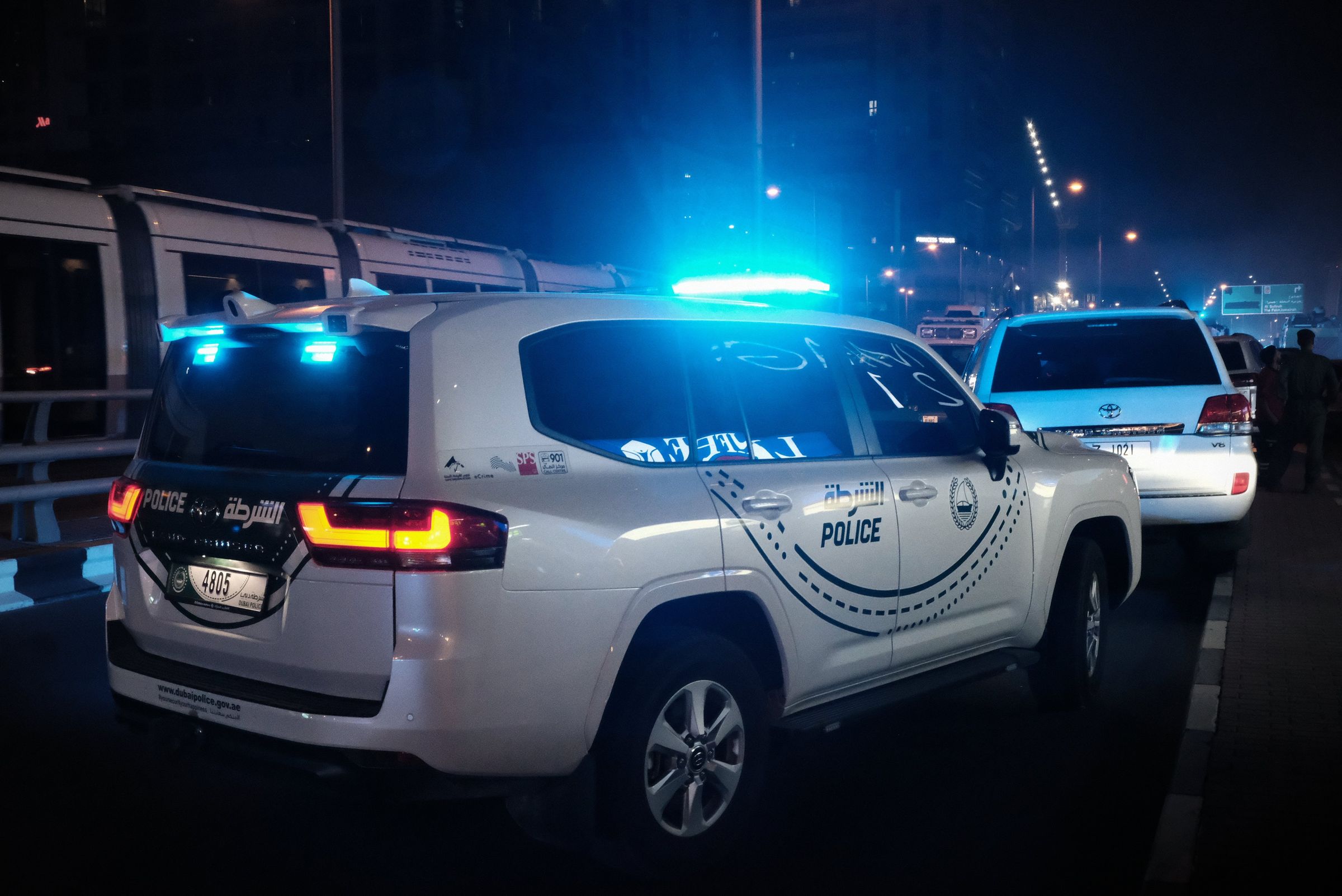
Dubai Police, which oversees security at the airport, outlined a broader programme of smart screening systems, centralised screening rooms, cameras for occupancy monitoring and behavioural analysis, vehicle-stopping systems, and mechanisms for tracking missing passengers and monitoring passenger flows. A digital twin model has been developed in collaboration with Dubai Airports. These systems can forecast passenger volumes up to two months in advance, with predictions refined to 15-minute intervals, giving airport staff the information needed to keep queues short and services running smoothly as traveller numbers grow.
Convenience now begins well before the terminal doors. During a session tracing the journey of a passenger and their baggage at the Global Airport Leaders’ Forum (GALF), held alongside the show, Ciaran O’Sullivan, Vice President of Airline Services at dnata, highlighted the company’s “Check-in Anywhere” service, which enables passengers travelling with Emirates, flydubai and other airlines to check in their baggage from their homes, hotels or workplaces. John Dyte, Vice President of Baggage at Dubai Airports, said the authority is exploring electronic baggage tags and the introduction of off-airport check-in facilities at multiple locations across the city, and emphasised the opportunity for Dubai to lead the world in enabling passengers to check in their baggage from anywhere.
Meanwhile, a panel discussion titled “Smart Airport Operations: Connecting Every Stage from Home to Flight” examined how airports can accommodate growing passenger volumes while maintaining high service standards throughout the journey, from check-in, security screening and baggage handling to boarding and arrival. Over the coming year, Dubai Airports will work towards implementing Baggage Collaborative Decision Making (B-CDM), supporting its broader Total Airport Management (TAM) framework.
Technology is also being put to work on behalf of travellers in less visible ways. Kroos Ross, Vice President for the Middle East and Africa, Airports and Border Authorities at Amadeus, highlighted the role of biometrics based on a single enrolment system in integrating baggage reconciliation with aircraft weight and balance systems. This integration eliminates the need for manual data entry and contributes to reducing fuel consumption, a benefit that touches both airline costs and environmental impact.
With the infrastructure at DXB largely complete, speakers agreed that future capacity improvements would depend on greater collaboration and data sharing rather than the construction of additional facilities. Khurram Qureshi, Head of Portfolio and Stakeholder Management at Dubai Air Navigation Services (dans), framed the challenge in terms of shared responsibility: “Airport Collaborative Decision Making is a journey towards ensuring that the right information is shared with all stakeholders across the airport ecosystem.” Panellists discussed current operations at DXB, which handles approximately 100 million passengers annually, in the context of preparations for Al Maktoum International Airport, expected to accommodate more than 200 million passengers within the next five to six years.
Growth is not confined to Dubai. Binu Gopal, Chief Operating Officer of Ras Al Khaimah International Airport, said the airport surpassed the one-million-passenger milestone last year and currently serves approximately 14 destinations, primarily in India, Pakistan and Egypt. Supported by major tourism developments across the Emirate, the airport is developing a dedicated private aviation terminal for business jets, general aviation and VIP passengers, and is in active discussions with airlines about new routes. A new passenger terminal with a capacity of at least two to three million passengers is in the preliminary design stage and is expected to be completed by 2030, while the existing terminal will undergo upgrades and modernisation in the meantime. Gopal said the airport is exploring advanced technologies that can enhance the passenger experience, particularly contactless systems and solutions that give passengers greater awareness of their journey, with some to be introduced in the existing terminal and the majority incorporated into the new facility.
The wider lesson for travellers is that airports are increasingly being designed as single, connected systems rather than collections of separate buildings. In a case study titled “The Airport as a System of Systems: Designing for an Interconnected Future,” Carlotta Godenzoni, Head of Infrastructure and Systems Design, Technical and Implementation Area at Bologna Guglielmo Marconi Airport in Italy, explained that modern airport design has undergone a fundamental transformation. Rather than focusing solely on expanding capacity through additional boarding gates or terminals, development is increasingly centred on maximising the use of existing infrastructure and improving operational efficiency. “Airports must be viewed as integrated ecosystems of interconnected systems, rather than simply collections of separate facilities or assets,” she said, adding that designers must incorporate modern technologies, systems for managing high-density air traffic and operational data to enhance capacity and improve efficiency. Further details of the event were reported by the National Law Review at https://natlawreview.com/press-releases/dubai-leads-world-airport-technology-adoption.
For the travelling public, the direction of travel is clear: shorter waits, fewer hassles at security, and a journey that increasingly begins at home rather than at the departure gate. The open question is how quickly these gains, now visible at DXB, will reach the millions more passengers expected to pass through the region’s airports in the years ahead.
Q&A
What changed for travellers at DXB security checkpoints in August 2026?
Dubai International Airport allowed laptops, liquids and other personal belongings to remain inside hand luggage during screening, easing a familiar friction of air travel.
What is the Check-in Anywhere service?
It is a dnata service letting passengers flying Emirates, flydubai and other airlines check in baggage from their homes, hotels or workplaces.
How does the digital twin model benefit passengers?
It forecasts passenger volumes up to two months in advance at 15-minute intervals, helping staff keep queues short and services running as traveller numbers grow.
What expansion is planned at Ras Al Khaimah International Airport?
A new passenger terminal with a two to three million passenger capacity is in preliminary design and due by 2030, alongside a dedicated private aviation terminal and upgrades to the existing terminal.